

Once you have a shortlist, you can request case studies or specific examples of similar projects they’ve handled in your industry. Reading client reviews, testimonials, and case studies can offer valuable insight into each provider’s track record and client satisfaction. Consider using in house accounting vs outsourcing technical challenges or coding assessments to gauge each candidate’s skills, and include interviews with different team members to ensure the applicant can work well within your team. When you decide to hire in-house, begin by clearly defining the specific skills and experience you need for your projects. Ultimately, the best decision depends on your company’s goals and the nature of your project. Finally, you need to think about your budget and compare the costs of in-house hiring and outsourcing.
- Your accounting team working with other departments is important for your business to ensure continuous productivity, consistency, and efficiency.
- There are a number of core factors to consider when deciding between in-house accounting and an outsourced accounting solution.
- This means you get consistent service, even during vacations or employee absences.
- Outsourcing shifts AP management to an external vendor, reducing oversight and transparency.
- With outsourced accounting for retail businesses, construction bookkeeping services, or other industries, the amount of work you have to do is minimal.
- Having control over the entire development process allows you to adapt the project as needed, ensuring that the software meets your evolving business needs and standards.
Tips for Successfully Selling Your Business in Canada
You can scale up or down depending on your budget anytime when it comes to outsourced services. From paper-pen matters to a digitally sound environment, the financial services industry has seen many innovations for better and more accurate accounting. However, many emerging businesses are choosing to outsource accounting over their internal resources. AP automation eliminates manual errors, speeds up invoice processing, and ensures real-time data visibility.
Outsourcing vs. In-House Accounting: Pros and Cons
Automation reduces expenses Bookkeeping for Chiropractors related to paper invoices, manual processing, and payment errors. Businesses save on administrative costs while optimizing payment schedules to improve cash flow. AP automation streamlines invoice approval by sending invoices to respective approvers based on predefined rules.
Top 11 Platforms and Best Locations for Outsourcing App Development in 2025
Ultimately, the best choice aligns with your firm’s strategic vision, ensuring you can deliver high-quality services while optimizing operational efficiency. The QuickBooks key difference between in-house Vs. outsourced accounting lies in where and by whom the work is completed. In-house refers to tasks performed by employees within your organization using your firm’s resources. Outsourcing, on the other hand, involves hiring external parties or companies to handle specific tasks or services.
This comprehensive guide explores the pros and cons of outsourcing vs. in-house accounting to help businesses make an informed decision. While you might choose to hire an accountant for specialized services or tax preparation, you can always handle the books yourself. When selecting an AP outsourcing provider, consider factors like industry experience, service-level agreements (SLAs), use of technology, customization options, and data security measures. Evaluate the provider’s ability to scale with your business and align with your specific AP needs. AP outsourcing is suitable for businesses wanting to reduce workload and costs, but it offers less control and limited customization. In contrast, AP automation provides real-time visibility, streamlined workflows, and customization, but requires upfront investment.
- However, for businesses that need specialized tax strategy, compliance, or financial forecasting services, outsourcing is often the better option.
- With our combined financial management and business operations backgrounds, we have created this guide to help you see the difference between in-house and outsourced accounting bookkeeping.
- Once you have a shortlist, you can request case studies or specific examples of similar projects they’ve handled in your industry.
- This involves hiring full-time or part-time employees who work directly for your company.
- Most firms see ROI within days of implementation, with productivity gains visible within the first month.
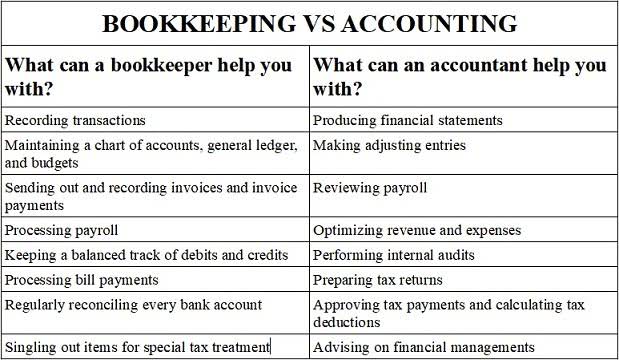
If your HR isn’t working, consider that the root issue may lie in outdated processes, resource gaps, or inefficiencies that need to be addressed first. Outsourcing accounting bookkeeping involves hiring a specialized firm to handle financial tasks such as bookkeeping, payroll, tax preparation, and financial reporting. Outsourced accounting services often offer flexible pricing models, such as fixed monthly fees or pay-as-you-go structures, tailored to the business’s specific needs. An in-house team can foster a strong, cohesive work culture, with everyone aligned towards the same goals. However, integrating outsourced accounting services doesn’t mean sacrificing culture. Many outsourced providers are adept at working within their clients’ cultural parameters, ensuring that their accountants feel like an extension of your team, even if they’re halfway around the world.
Cost Analysis: Outsourcing vs. In-House Accounting for Your Business

Outsourcing accounts payable can streamline processes, reduce costs, and save time, making it a popular choice for businesses. However, it also comes with challenges like reduced control and data security risks. You can accidentally overspend on outsourced accounting services, particularly if you lose track of what you have them do for you. For companies that charge by the service, it’s best to keep track of the services you request, as well as how much each one costs. You only pay for the services you need, without the extra costs and time of hiring a full-time employee.
- Infinity Globus has been offering outsourced tax and accounting services to its global clientele for over two decades now.
- There are many reasons for this understanding, but it is largely a result of the amount of time spent in your company.
- Ans- While all businesses can benefit, small to mid-sized CPA firms often see the greatest advantages in cost savings and flexibility from outsourcing.
- However, outsourced accounting maintains the flexibility to scale services based on changing business needs while presenting clients a unique level of stability within their accounting.
- Our guide will help you get all the details you need to make the right decision for your accounting needs.
Each business faces unique circumstances when determining whether to hire internally or outsource its accounting function. However, understanding the key advantages of outsourced accounting is essential for identifying the most effective solution. They hire seasoned accountants who know Generally Accepted Accounting Principles, or GAAP, which the Financial Accounting Standards Board uses as the foundation for US accounting. Add to that the training, certifications, and technology they invest in for their accounting team. Quality control in accounting means that employees comply with your standards and those of the industry.